8,000 Vintages.
8,000 Vintages.
The Soul of the Qvevri.
The Soul of the Qvevri.
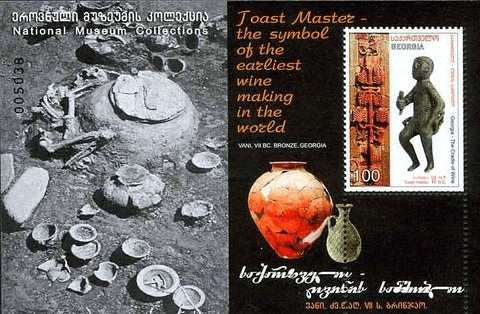
In the world of natural wine, we often talk about "returning to our roots." In Georgia, those roots go deeper than anywhere else on Earth. For 8,000 years—long before industrial intervention—the people of Transcaucasia have been crafting ghvino. This isn't just history; it’s a living, breathing identity.
In the world of natural wine, we often talk about "returning to our roots." In Georgia, those roots go deeper than anywhere else on Earth. For 8,000 years—long before industrial intervention—the people of Transcaucasia have been crafting ghvino. This isn't just history; it’s a living, breathing identity.
The Origins of Winemaking.
The Origins of Winemaking.
The Stone Age farmers who lived here 8,000 years ago were grape lovers.
The Stone Age farmers who lived here 8,000 years ago were grape lovers.
It’s official: science has caught up to tradition. An international team of researchers, led by molecular archaeologist Prof. Patrick McGovern, proved that Georgia is the birthplace of wine. Their 2017 study in the journal PNAS confirmed Neolithic wine production dating back eight millennia. From the valleys of Kakheti and Kartli to the coastal slopes of Adjara and Abkhazia, this land is the literal cradle of the vine.
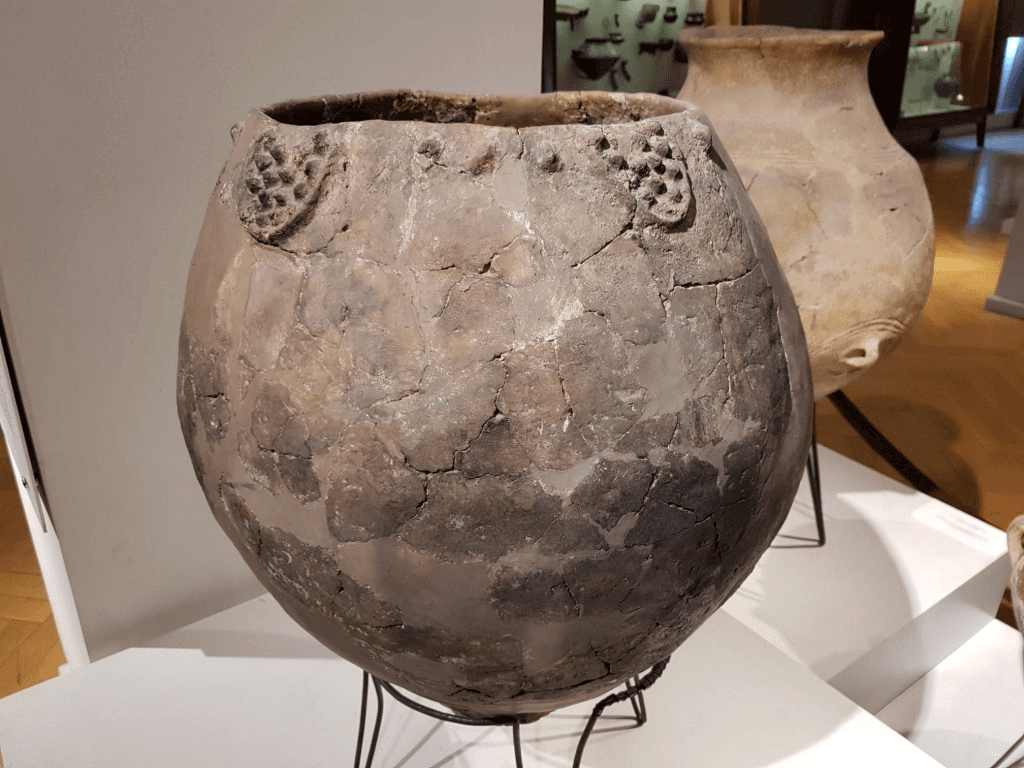
The people living at Gadachrili Gora and a nearby village were the world’s earliest known vintners—producing wine on a large scale as early as 6,000 B.C., a time when prehistoric humans were still reliant on stone and bone tools.
Combined with the grape decorations on the outside of the jars, ample grape pollen in the site’s fine soil, and radiocarbon dates from 5,800 B.C. to 6,000 B.C., the chemical analysis indicates the people at Gadachrili Gora were the world’s earliest winemakers.
It’s official: science has caught up to tradition. An international team of researchers, led by molecular archaeologist Prof. Patrick McGovern, proved that Georgia is the birthplace of wine. Their 2017 study in the journal PNAS confirmed Neolithic wine production dating back eight millennia. From the valleys of Kakheti and Kartli to the coastal slopes of Adjara and Abkhazia, this land is the literal cradle of the vine.
The people living at Gadachrili Gora and a nearby village were the world’s earliest known vintners—producing wine on a large scale as early as 6,000 B.C., a time when prehistoric humans were still reliant on stone and bone tools.
Combined with the grape decorations on the outside of the jars, ample grape pollen in the site’s fine soil, and radiocarbon dates from 5,800 B.C. to 6,000 B.C., the chemical analysis indicates the people at Gadachrili Gora were the world’s earliest winemakers.
500 + indigenous varieties.
500 + indigenous varieties.
Over 425 of these are regularly grown.
Over 425 of these are regularly grown.
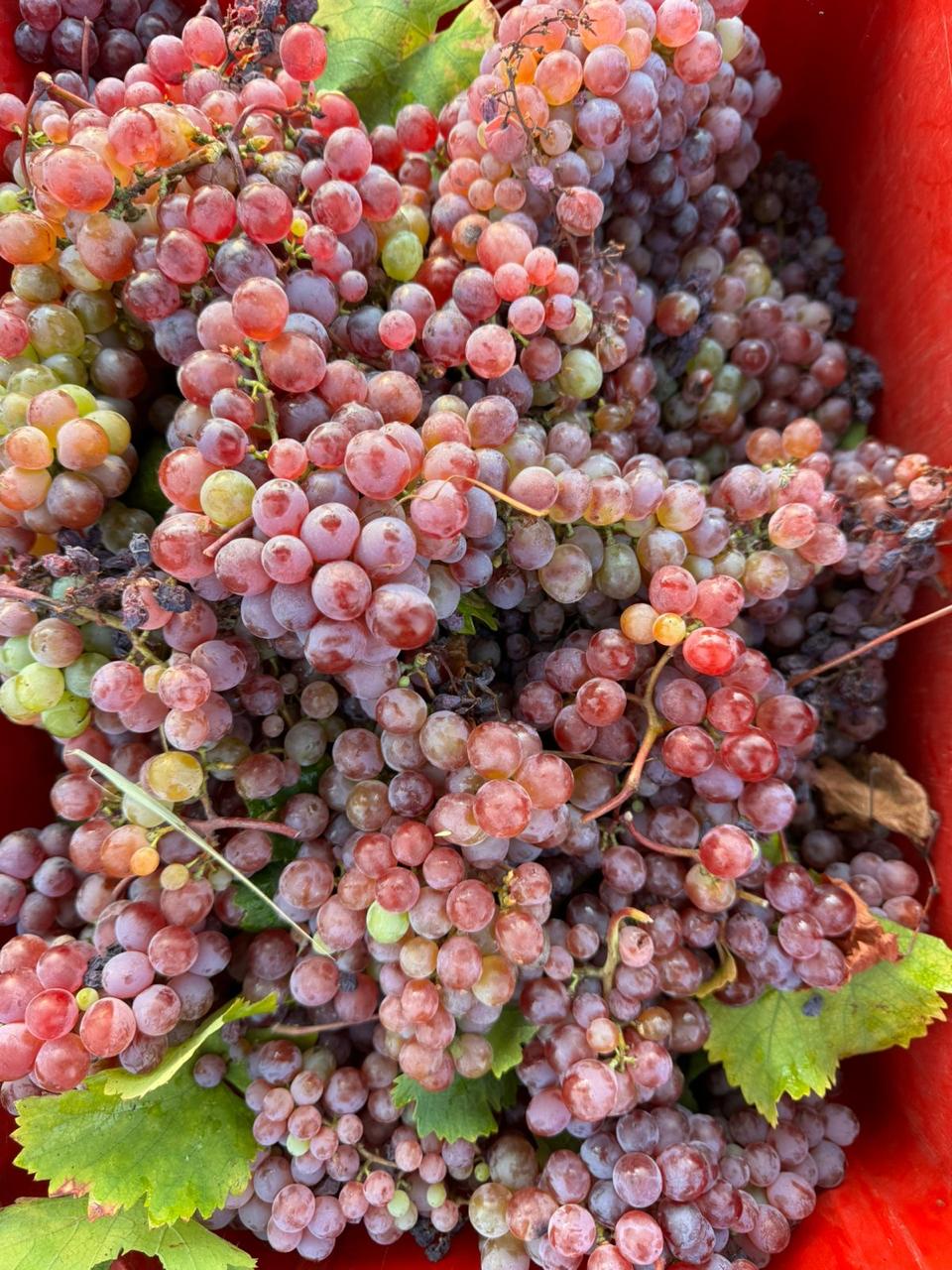
Georgia is a sanctuary for biodiversity, home to over 500 native grape varieties—roughly one-sixth of the world’s total. While the commercial world obsesses over a few international grapes, Georgia protects "living vine libraries." The National Grape Collection in Jighaura nurtures 437 native varieties, saving endangered vines found nowhere else on the planet. We aren't just making wine; we’re preserving a genetic inheritance.
Georgia is a sanctuary for biodiversity, home to over 500 native grape varieties—roughly one-sixth of the world’s total. While the commercial world obsesses over a few international grapes, Georgia protects "living vine libraries." The National Grape Collection in Jighaura nurtures 437 native varieties, saving endangered vines found nowhere else on the planet. We aren't just making wine; we’re preserving a genetic inheritance.
The Magic of the Qvevri - A Heritage of Humanity.
The Magic of the Qvevri - A Heritage of Humanity.
Kveuri- that which is buried.
Kveuri- that which is buried.
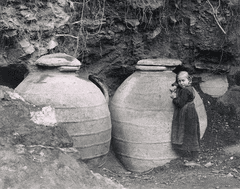
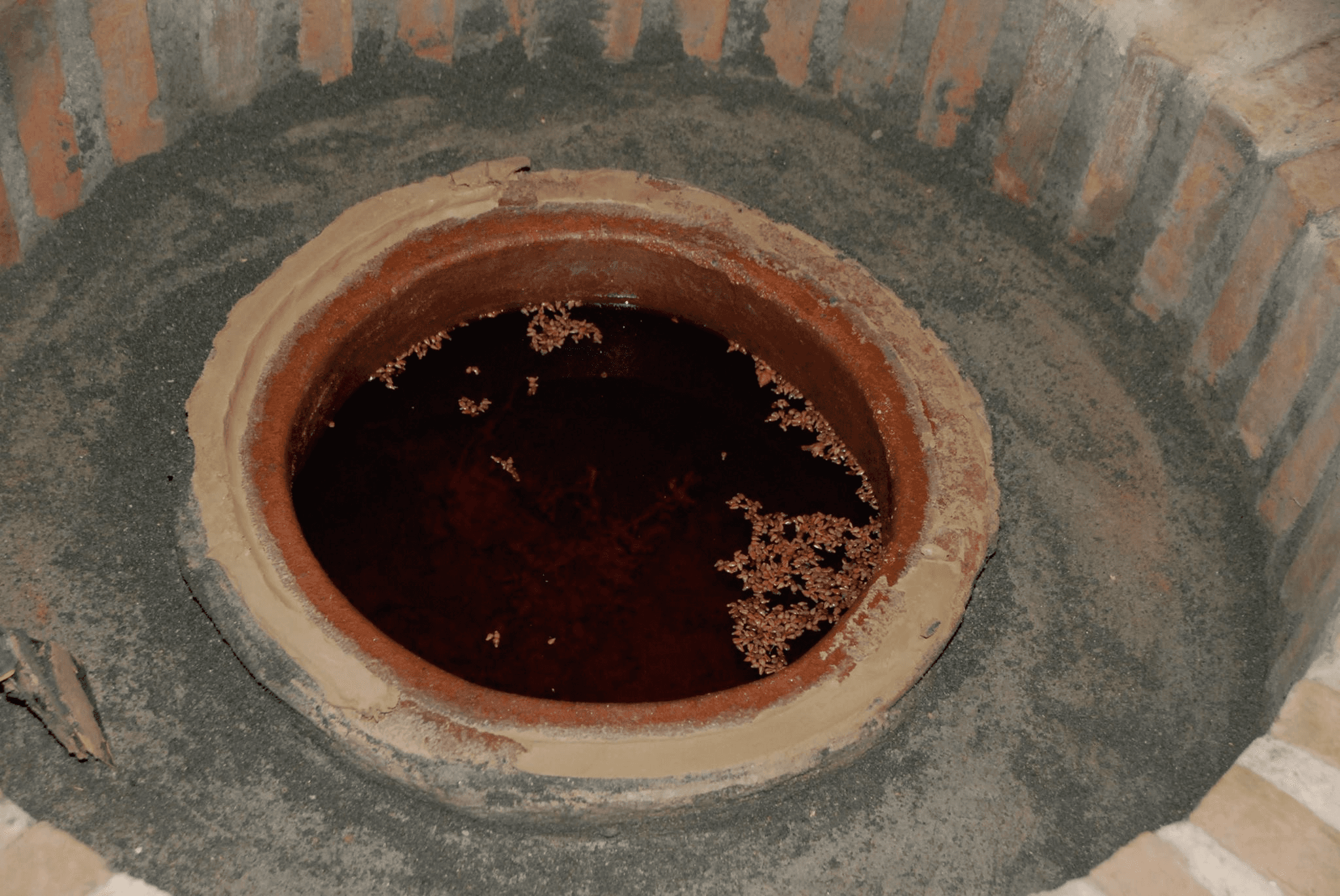
The Qvevri is a uniquely Georgian vessel, distinct in shape and function from the clay amphorae used elsewhere. These egg-shaped earthenware jars are used for fermentation, maturation, and storage.
Deep Earth: For millennia, winemakers have buried Qvevri in the ground (the name comes from kveuri, meaning "that which is buried"). This provides natural, stable temperature control.
The Sweet Spot: While they range from 100 to 3,500 liters, the "sweet spot" for fermentation is around 1,000–1,200 liters.
Hand-Cleaned: The vessels are so large that winemakers actually climb inside them to scrub them clean after each vintage.
In 2013, UNESCO recognized the Qvevri method as an Intangible Cultural Heritage. It’s a communal craft passed down through families and neighbors. The process is raw and honest: you press the grapes and pour the juice, skins, stalks, and pips into the clay. It’s sealed, buried, and left to transform for five to six months. In a Georgian home, the wine cellar is still considered the holiest of spaces.
The Qvevri is a uniquely Georgian vessel, distinct in shape and function from the clay amphorae used elsewhere. These egg-shaped earthenware jars are used for fermentation, maturation, and storage.
Deep Earth: For millennia, winemakers have buried Qvevri in the ground (the name comes from kveuri, meaning "that which is buried"). This provides natural, stable temperature control.
The Sweet Spot: While they range from 100 to 3,500 liters, the "sweet spot" for fermentation is around 1,000–1,200 liters.
Hand-Cleaned: The vessels are so large that winemakers actually climb inside them to scrub them clean after each vintage.
In 2013, UNESCO recognized the Qvevri method as an Intangible Cultural Heritage. It’s a communal craft passed down through families and neighbors. The process is raw and honest: you press the grapes and pour the juice, skins, stalks, and pips into the clay. It’s sealed, buried, and left to transform for five to six months. In a Georgian home, the wine cellar is still considered the holiest of spaces.
The Original "Amber" (Orange) Wine.
The Original "Amber" (Orange) Wine.
Kveuri- that which is buried.
Kveuri- that which is buried.